AI Thought Partner
For problems that need thinking, not searching.
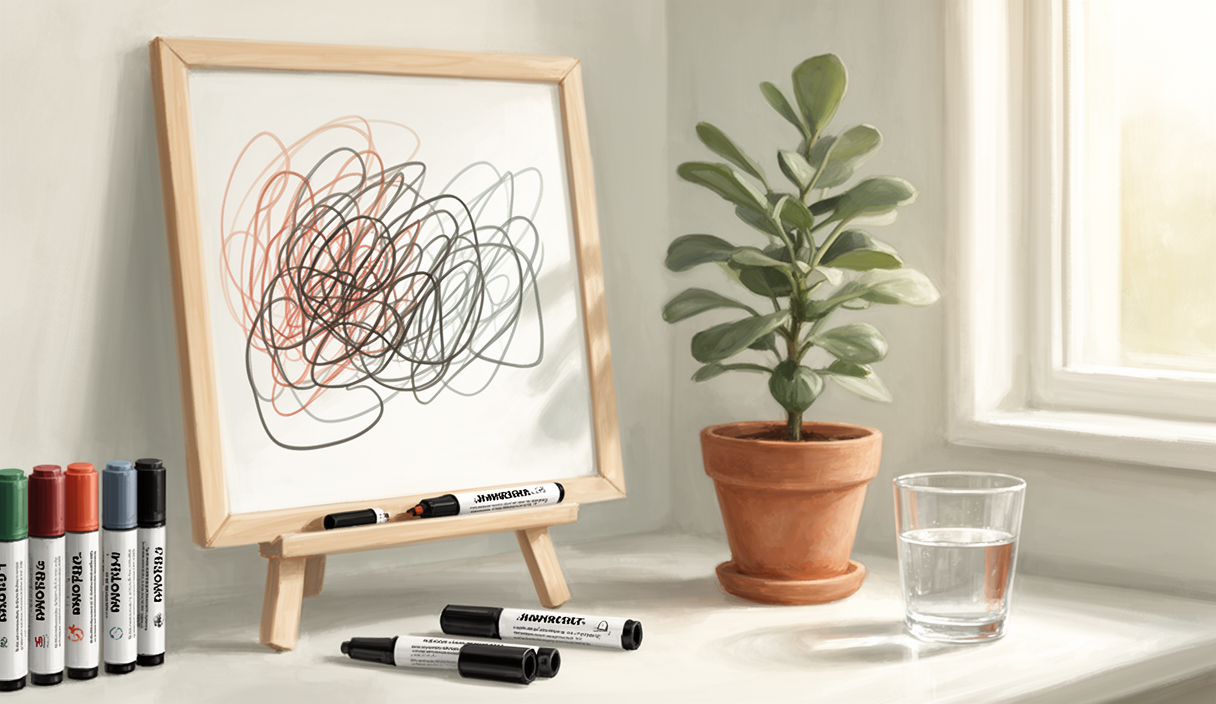
Some problems aren't googleable. They're tangled — strategy, design, decisions where the question is part of the answer. Most thought partners are expensive (consultants) or scarce (smart friends with time). Soulit's thought partners are neither. They ask sharp questions, hold context across long conversations, and won't waste your time pretending to know things they don't.
Good for
Product decisions where the right question isn't obvious. Strategy work in early-stage startups. Engineering architecture choices. Career strategy that's bigger than a single decision. Personal problems that have a structural shape — "why do I keep ending up in the same kind of job?" "what's the actual unit of value in my work?" Anywhere you'd benefit from a smart, patient interlocutor.
What the partner does well
Asks the question your assumptions hide from you. Catches you when you reframe. Steel-mans positions you don't want to consider. Notices when you're avoiding a topic. Holds the thread of a conversation that meanders.
What it doesn't do
It doesn't have your specific data, your team's politics, or your financial constraints unless you share them. It also doesn't manufacture certainty — for many hard problems, the honest answer is "this is uncertain and here's how to think about it." The partner won't pretend otherwise. Free to start.
Frequently asked questions
- Is this just ChatGPT with a different name?
- Soulit uses LLMs underneath, like most AI products. The differences are character continuity (your partner remembers you), specific framing for thinking (less generic helpfulness), and visual presence. For pure utility queries, ChatGPT is fine; for ongoing thinking, the partnership format helps.
- Can I use it for sensitive work topics?
- Yes — conversations are private and not used for training. Don't paste credentials or PII you wouldn't paste anywhere else, but for normal strategy work, it's fine.
- Will it tell me what to do?
- Only if you ask directly, and even then it'll often turn the question back. The point is your thinking, not the partner's.
- How long should a session be?
- 30-90 minutes works for most people. Past that, your thinking gets noisy. Come back tomorrow.